
Office vs Retail vs Industrial Real Estate in Saskatoon

Office vs Retail vs Industrial Real Estate in Saskatoon Office vs retail vs industrial real estate in Saskatoon, which property type performs best in 2026? The answer depends on demand drivers, tenant stability, and long-term investment goals. While industrial properties often show the strongest demand, retail can remain stable in service-based locations, and office performance depends heavily on location and tenant profile. Investors and business owners exploring commercial real estate in Saskatoon often compare different property sectors such as office, retail, and industrial buildings to determine which type offers the best long-term opportunity. Because the commercial real estate market in Saskatoon is locally driven rather than speculative, understanding the differences between these property types is critical before investing or purchasing for business use. Table of Contents Why Property Type Matters in the Saskatoon Commercial Market Office Real Estate in Saskatoon Retail Real Estate in Saskatoon Industrial Real Estate in Saskatoon Comparison Table: Office vs Retail vs Industrial Real Estate in Saskatoon Which Property Type Is Best for Investors? How Interest Rates Affect Office, Retail, and Industrial Differently Final Verdict: Office vs Retail vs Industrial Real Estate in Saskatoon Frequently Asked Questions About Commercial Property Types in Saskatoon Why Property Type Matters in the Saskatoon Commercial Market Not all commercial assets perform the same way. In fact, each category responds differently to: Economic cycles Interest rate environments Local business growth Vacancy risk Therefore, choosing the right property type is often more important than simply deciding whether to invest. Before choosing a specific property type, many investors research the broader strategy behind how to invest in commercial real estate in Saskatoon and which sectors currently offer the strongest potential returns. Office Real Estate in Saskatoon Office space includes professional buildings, medical offices, and small business units. Current demand trends Office demand in Saskatoon remains selective. While hybrid work has changed usage patterns, many professional services still require physical space. Strengths of office property Stable long-term tenants Predictable lease structures Professional service concentration Risks of office investment Vacancy risk if location is weak Tenant dependency Sensitivity to business contraction Because office performance is highly location-dependent, due diligence is critical. Retail Real Estate in Saskatoon Retail properties range from strip malls to standalone storefronts and service-oriented plazas. What drives retail demand Retail in Saskatoon performs best when it is tied to essential services. For example: Healthcare services Personal care Food and beverage Convenience-based retail Strengths of retail property High visibility Strong local foot traffic in neighbourhood centres Long-term service tenants Risks of retail investment Sensitivity to consumer spending Competition from online commerce Tenant turnover in discretionary sectors Retail success often depends on location quality and tenant mix rather than property type alone. Industrial Real Estate in Saskatoon Industrial real estate includes warehouses, logistics space, and light manufacturing units. Current demand trends Industrial remains one of the strongest commercial property types in Saskatoon. Because local trades, logistics, and service industries continue to expand, demand has remained steady. Strengths of industrial property Practical usage Lower vacancy volatility Straightforward lease structures Risks of industrial investment Zoning restrictions Property-specific functional limitations Capital expenditures for upgrades However, compared to other sectors, industrial assets often show greater stability in the Saskatoon commercial market. Comparison Table: Office vs Retail vs Industrial Real Estate in Saskatoon Property Type Demand Level (2026) Risk Profile Investor Appeal Office Moderate & selective Medium Location-dependent Retail Moderate Medium Strong in service hubs Industrial Strong Lower High demand & stability This comparison highlights why industrial properties are currently viewed as strong performers, while office and retail require more targeted selection. In recent years, demand for logistics and warehouse space has increased, creating new industrial property opportunities in Saskatoon for investors seeking stable tenants and long-term leases. Which Property Type Is Best for Investors? Long-term cash flow investors Industrial properties often align well with stable, long-term holding strategies. Value-add investors Retail centres with repositioning potential may offer upside if tenant mix improves. Owner-occupiers Office or industrial properties may make sense for businesses wanting operational control. For investors evaluating opportunities, see Invest in Commercial Real Estate in Saskatoon. Investors comparing office, retail, and industrial assets should also evaluate whether to invest in commercial real estate in Saskatoon based on financing conditions, risk tolerance, and long-term cash flow expectations. How Interest Rates Affect Office, Retail, and Industrial Differently Interest rates impact all property types; however, the effect varies. Office can feel pressure if tenant demand softens Retail can tighten if consumer spending slows Industrial often remains supported by operational necessity Because of this, industrial real estate in Saskatoon tends to show resilience during tighter financing cycles. Final Verdict: Office vs Retail vs Industrial Real Estate in Saskatoon In 2026, industrial real estate in Saskatoon generally shows the strongest demand profile. However, retail can perform well in service-oriented areas, and office assets remain viable when properly located and leased. Ultimately, the best property type depends on: Risk tolerance Financing structure Long-term holding goals Tenant fundamentals Frequently Asked Questions About Investing in Commercial Real Estate in Saskatoon Which commercial property type is most stable in Saskatoon? Industrial properties often show the most stability due to consistent operational demand. Is retail real estate still a good investment in Saskatoon? Retail can perform well in service-oriented locations with strong tenant mix and local demand. Is office real estate risky in 2026? Office performance depends heavily on location and tenant quality. Selective demand means careful underwriting is essential. Should I diversify across property types? Diversification can reduce risk; however, it depends on capital availability and investment strategy. Industrial properties often show the most stability due to consistent operational demand. Retail can perform well in service-oriented locations with strong tenant mix and local demand. Office performance depends heavily on location and tenant quality. Selective demand means careful underwriting is essential. Diversification can reduce risk; however, it depends on capital availability and investment strategy. Visit the full Saskatoon Real Estate FAQs Ready to Buy or Sell in Saskatoon? I’m here to help with data-backed guidance
Is Now a Good Time to Invest in Commercial Real Estate in Saskatoon?

Is Now a Good Time to Invest in Commercial Real Estate in Saskatoon? Yes, for many investors, now can be a strategic time to invest in commercial real estate in Saskatoon. Although borrowing costs are higher in 2026, reduced competition and stable local demand are creating negotiation opportunities for prepared buyers. However, the right time depends on financing structure, property type, and long-term investment goals. Many investors begin by exploring current commercial real estate opportunities in Saskatoon, where sectors such as office, industrial, and retail property continue to attract attention from local businesses and long-term investors. Because the commercial real estate market in Saskatoon remains locally driven and relatively stable, investors who focus on fundamentals rather than headlines may find favourable conditions. Table of Contents What “A Good Time to Invest” Actually Means in Commercial Real Estate 2026 Conditions in the Commercial Real Estate Market in Saskatoon Why Some Investors View 2026 as an Opportunity Comparison Table: Should You Invest in Commercial Real Estate in Saskatoon Now? Risks Investors Must Evaluate Carefully Where Investment Opportunities May Be Strongest Who Should Consider Investing Now? How to Approach a Commercial Investment Decision Final Verdict: Is Now a Good Time to Invest in Commercial Real Estate in Saskatoon? Frequently Asked Questions About Investing in Commercial Real Estate in Saskatoon What “A Good Time to Invest” Actually Means in Commercial Real Estate In commercial property, timing is not simply about whether prices are rising or falling. Instead, it is about the relationship between financing costs, asset quality, tenant stability, and long-term value. Therefore, a “good time” often means: Reduced buyer competition Realistic seller expectations Strong lease structures Sustainable cash flow As a result, periods of higher interest rates can sometimes favour disciplined investors rather than speculative buyers. 2026 Conditions in the Commercial Real Estate Market in Saskatoon The commercial real estate market in Saskatoon is currently characterised by stability rather than volatility. While activity has moderated compared to peak periods, pricing has remained measured. To better understand investment timing and pricing trends, it’s helpful to review the latest insights on the commercial property market in Saskatoon and how different commercial sectors are performing. Because local business demand continues to support industrial, retail, and select office segments, the market has not experienced dramatic swings seen in larger metropolitan centres. Why Some Investors View 2026 as an Opportunity Lower competition When financing costs rise, some investors pause. Consequently, competition decreases, which may improve negotiation leverage. More disciplined pricing Sellers are often more realistic when buyer pools shrink. As a result, properties may trade closer to fundamentals rather than emotional pricing. Long-term positioning Investors focused on long-term holding periods may benefit from entering during calmer market cycles instead of highly competitive ones. Comparison Table: Should You Invest in Commercial Real Estate in Saskatoon Now? Market Factor Current Situation What It Means for Investors Interest rates Higher than previous lows Careful financing analysis required Buyer competition Moderated Increased negotiation leverage Pricing movement Stable and measured Reduced volatility risk Local demand Steady Supports long-term occupancy This structured view highlights that the question is less about “perfect timing” and more about strategic positioning. Risks Investors Must Evaluate Carefully Financing structure Commercial lending standards remain strict. Therefore, investors must confirm cash flow projections, debt service coverage, and contingency buffers. Tenant concentration Single-tenant properties can provide strong returns; however, vacancy risk must be factored into underwriting decisions. Sector sensitivity Some sectors respond more quickly to economic shifts. Consequently, property type selection matters significantly. Where Investment Opportunities May Be Strongest Industrial properties Industrial assets often benefit from consistent demand and practical usage requirements. Because of this, they remain attractive to many investors. Service-based retail Retail tied to essential services tends to show greater resilience than discretionary segments. Functional office space Office investment requires careful location and tenant analysis. Nevertheless, well-positioned professional units can still perform effectively. Who Should Consider Investing Now? Investing now may suit: Long-term holders prioritising cash flow Business owners seeking owner-occupied premises Investors comfortable analysing deals under higher-rate environments However, short-term speculative investors may find fewer rapid appreciation opportunities. In particular, demand for industrial property in Saskatoon has increased in recent years as logistics, warehousing, and service-based businesses continue to expand across the region. How to Approach a Commercial Investment Decision Before proceeding, investors should: Clarify long-term strategy Analyse lease strength and tenant quality Model conservative cash flow scenarios Conduct thorough due diligence For those evaluating opportunities, explore available listings and advisory services here:Commercial Saskatoon Real Estate. Final Verdict: Is Now a Good Time to Invest in Commercial Real Estate in Saskatoon? For prepared and strategic investors, yes, it can be a good time to invest in commercial real estate in Saskatoon. While financing costs require discipline, moderated competition and stable fundamentals create conditions that reward careful underwriting. Ultimately, the right time is when the deal aligns with: Sustainable cash flow Strong tenant fundamentals Clear long-term objectives If you would like to review current opportunities or discuss your investment strategy, contact the team directly. Frequently Asked Questions About Investing in Commercial Real Estate in Saskatoon Is commercial real estate a good investment in Saskatoon in 2026? It can be, particularly for investors focused on stable, long-term cash flow and measured growth rather than rapid appreciation. Do higher interest rates make investing too risky? Higher rates increase borrowing costs; however, they may also reduce competition and improve negotiating opportunities. Which commercial sectors are strongest right now? Industrial and service-based retail properties tend to show steady demand, while office performance depends heavily on location and tenant profile. Should I wait for interest rates to fall before investing? Waiting may increase competition and pricing pressure. Instead, many investors evaluate whether current deals make sense under today’s financing conditions. It can be, particularly for investors focused on stable, long-term cash flow and measured growth rather than rapid appreciation. Higher rates increase borrowing costs; however, they may also reduce competition and improve negotiating opportunities. Industrial and service-based retail properties tend to show steady demand,
Commercial Real Estate Market in Saskatoon: 2026 Outlook

Commercial Real Estate Market in Saskatoon in 2026 The commercial real estate market in Saskatoon is heading into 2026 with a very different profile compared to many larger Canadian cities. While national headlines often focus on uncertainty, volatility, and declining activity, Saskatoon’s commercial market remains comparatively stable, affordable, and locally driven. Understanding market trends is much easier when working with a Saskatoon commercial real estate expert who follows local investment activity, property demand, and pricing patterns across the city’s commercial sectors. As a result, business owners, investors, and developers are increasingly paying attention to Saskatoon as a market where long-term fundamentals still matter. In addition, factors such as interest rates, financing conditions, and sector-specific demand are shaping how commercial real estate in Saskatoon is performing as we move through 2026. This outlook explores the current state of the Saskatoon commercial real estate market, key economic drivers, pricing trends, demand by property type, and what buyers can realistically expect in the year ahead. Table of Contents Overview of the Saskatoon Commercial Real Estate Market Key Economic Drivers Supporting Commercial Real Estate in Saskatoon How Interest Rates Are Affecting Commercial Property in 2026 Commercial Property Pricing Trends in Saskatoon Demand by Commercial Property Type Investor vs Owner-Occupied Commercial Buyers Risks Commercial Buyers Should Consider in 2026 Opportunities in the Saskatoon Commercial Real Estate Market Outlook for the Saskatoon Commercial Real Estate Market Beyond 2026 Final Verdict on the Commercial Real Estate Market in Saskatoon Frequently Asked Questions About Commercial Real Estate in Saskatoon Overview of the Saskatoon Commercial Real Estate Market Overall, the Saskatoon commercial real estate market is best described as measured rather than speculative. Unlike larger metropolitan centres, Saskatoon has avoided dramatic price swings, which continues to attract owner-occupiers and long-term investors. Because entry prices remain relatively accessible, buyers are typically focused on usability, cash flow, and long-term stability rather than short-term appreciation. As a result, the market tends to move steadily instead of reacting sharply to external pressures. Commercial Market Comparison: Saskatoon vs Larger Canadian Cities Market Factor Saskatoon Larger Canadian Cities Entry pricing More affordable Significantly higher Speculative activity Low Moderate to high Buyer profile Owner-occupiers and long-term investors Institutional and short-term investors Market volatility Low to moderate Moderate to high This stability mirrors trends already seen in the Saskatoon real estate market in 2026, where affordability and steady demand have supported consistent performance across both residential and commercial sectors. Key Economic Drivers Influencing Commercial Real Estate in Saskatoon Several local factors continue to shape the Saskatoon commercial property market. Local business growth and employment Small and medium-sized businesses remain the backbone of Saskatoon’s economy. As these businesses expand, demand for office, retail, and industrial space naturally follows. Consequently, local employment stability plays a major role in sustaining commercial real estate demand. Population growth and urban development Ongoing population growth supports increased demand for service-based commercial properties. As new neighbourhoods develop, retail centres, professional offices, and mixed-use spaces often follow, reinforcing long-term commercial value. Infrastructure and regional investment Infrastructure projects and regional investment help sustain confidence among commercial buyers. Because of this, Saskatoon continues to attract buyers who prioritise stability over speculative growth. How Interest Rates Are Affecting Commercial Property in 2026 Interest rates have a stronger impact on commercial real estate than residential markets, particularly when financing terms are more complex. When interest rates rise, borrowing costs increase, which often reduces speculative buying. However, this also tends to reduce competition, creating opportunities for prepared buyers. Similar to patterns seen in how interest rate changes affect Saskatoon home prices, higher rates in Saskatoon have slowed activity rather than caused sharp declines. Interest Rates and Commercial Market Impact Interest Rate Environment Impact on Buyers Market Effect Rising rates Higher financing costs Reduced speculative demand Stable rates Predictable borrowing Balanced market activity Higher rates with low competition Better negotiation leverage Opportunities for prepared buyers As a result, many buyers are focusing more on fundamentals and long-term performance instead of short-term rate movements. Commercial Property Pricing Trends in Saskatoon Commercial property pricing in Saskatoon has remained relatively stable compared to national averages. Rather than dramatic corrections, the market tends to experience gradual adjustments over time. Stability over volatility Because the Saskatoon commercial real estate market is driven largely by local demand, pricing is less sensitive to national fluctuations. This behaviour reflects the same affordability dynamics discussed in average house price trends in Saskatoon, where steady performance has historically outpaced volatility. For many buyers, predictable pricing is more attractive than rapid appreciation followed by correction. Demand by Commercial Property Type Demand within the Saskatoon commercial real estate market varies by sector. Commercial Property Demand by Type Property Type Current Demand 2026 Outlook Office Selective Stable, location-dependent Retail Moderate Strong in neighbourhood centres Industrial High Continued demand growth Office space Office demand remains selective, with businesses prioritising functionality, accessibility, and flexible layouts. Retail space Retail demand is strongest in neighbourhood-focused locations, particularly where residential growth supports ongoing foot traffic. Industrial and warehouse space Industrial properties continue to perform well, driven by logistics, trades, and service-based businesses. This sector remains one of the strongest areas of commercial real estate in Saskatoon heading into 2026. Investor vs Owner-Occupied Commercial Buyers One defining feature of the Saskatoon commercial real estate market is the high proportion of owner-occupied buyers. Owner-occupied buyers Many local businesses prefer ownership over leasing, especially when long-term costs are comparable. This mindset closely reflects the decision-making process explored in buying vs renting in Saskatoon, where ownership often provides greater long-term stability. Commercial investors Investors in Saskatoon tend to prioritise: Stable cash flow Long-term tenant retention Conservative appreciation As a result, speculative investment remains limited compared to larger markets. For investors considering long-term opportunities, investing in commercial real estate in Saskatoon can provide strong potential through income-producing properties such as office buildings, retail units, and industrial spaces. Risks Commercial Buyers Should Consider in 2026 While the market remains stable, commercial buyers should still be aware of potential risks. Financing constraints Commercial lending standards
Best Time to Buy a Home in Saskatoon: 2026 Market Guide

When Is the Best Time of Year to Buy a Home in Saskatoon? The best time to buy a home in Saskatoon depends on more than just asking prices. While many buyers focus on market headlines or interest rates, timing also affects competition, inventory levels, negotiation power, and overall affordability. For many homebuyers, timing the market is an important part of the decision, and understanding the process of buying real estate in Saskatoon can help buyers identify the right moment to enter the housing market. Because Saskatoon follows clear seasonal real estate patterns, understanding when buyers typically have the advantage can help you make a more confident decision. In many cases, timing the season correctly can be just as important as deciding whether now is a good time to buy real estate in Saskatoon in 2026. In this guide, we’ll break down the best times of year to buy a home in Saskatoon, explain how market conditions change by season, and help you decide what timing makes the most sense for your situation. Table of Contents Why Timing Matters When Buying a Home in Saskatoon Buying a Home in Saskatoon by Season Best Time to Buy a Home in Saskatoon by Season Best Time to Buy Based on Your Buying Goals How Interest Rates Influence the Best Time to Buy Seasonality vs Interest Rates: How They Work Together Final Verdict: When Is the Best Time to Buy a Home in Saskatoon? Frequently Asked Questions About the Best Time to Buy in Saskatoon Why Timing Matters When Buying a Home in Saskatoon Timing plays a major role in shaping your buying experience. Depending on the season, buyers may face very different market conditions, even when prices appear similar. For example, during busy periods, buyers often compete for the same homes, which can lead to multiple offers and less flexibility. However, during slower seasons, sellers may be more motivated and open to negotiation. As a result, understanding seasonal trends allows buyers to align timing with their priorities instead of reacting emotionally to the market. Many buyers also ask whether current conditions favour purchasing property, which is why it’s helpful to explore whether is now a good time to buy real estate in Saskatoon based on market trends and interest rate changes. Buying a Home in Saskatoon by Season Spring Market Conditions Spring is traditionally the busiest time in Saskatoon’s housing market. More sellers list their homes, which increases choice but also attracts more buyers. Advantages of buying in spring Highest inventory levels More neighbourhood options Strong overall market activity Challenges of buying in spring Increased buyer competition More multiple-offer situations Less negotiation leverage Spring is often best for buyers who prioritize choice and variety over price flexibility. Summer Market Conditions Summer remains active, although it is usually slightly less competitive than spring. Many families aim to move before the school year begins, which keeps demand steady. Advantages of buying in summer Stable inventory Predictable market conditions Balanced buyer activity Challenges of buying in summer Popular homes still attract competition Sellers may remain firm on price Summer can be a good option for prepared buyers looking for balance rather than extremes. Fall Market Conditions Fall is often one of the most underrated times to buy a home in Saskatoon. Advantages of buying in fall Fewer active buyers Sellers more open to negotiation Homes priced more realistically Challenges of buying in fall Reduced inventory compared to spring Faster decision-making required For buyers focused on value and negotiation power, fall often presents strong opportunities. Winter Market Conditions Winter is typically the slowest season in Saskatoon’s real estate market. However, that slower pace can work in a buyer’s favour. Advantages of buying in winter Minimal competition Highly motivated sellers Strong negotiation leverage Challenges of buying in winter Lowest inventory levels Weather-related viewing limitations Another key factor influencing the best time to purchase property is pricing, and reviewing the average house price in Saskatoon can help buyers understand how property values have changed over time. Best Time to Buy a Home in Saskatoon by Season Season Inventory Level Buyer Competition Negotiation Power Best For Spring High High Low Buyers wanting more choice Summer Medium–High Medium Medium Balanced buyers Fall Medium Low High Value-focused buyers Winter Low Very Low Very High Negotiation-focused buyers This comparison shows why the “best” time to buy depends on your goals rather than the calendar alone. Best Time to Buy Based on Your Buying Goals If your goal is lowest competition Late fall and winter usually offer the most breathing room, with fewer buyers competing for the same homes. If your goal is maximum choice Spring and early summer provide the widest selection of homes across Saskatoon. If your goal is stronger negotiation leverage Fall and winter tend to favour buyers, as sellers are often more flexible. In addition, many buyers compare seasonal timing with broader financial decisions, such as buying vs renting in Saskatoon, to determine overall affordability. How Interest Rates Influence the Best Time to Buy Interest rates can amplify seasonal effects in the housing market. When interest rates rise: Buyer competition often decreases Negotiation opportunities may improve When interest rates fall: Buyer demand typically increases Competition becomes stronger Because of this, higher interest rates combined with slower seasons can sometimes create favourable conditions for prepared buyers. This is why seasonal timing is often closely connected to overall market conditions. Seasonality vs Interest Rates: How They Work Together Market Condition Typical Buyer Experience Opportunity Rising rates + winter Low competition Strong negotiation power Rising rates + spring Moderate competition Selective buying Falling rates + spring High competition Faster decisions required Falling rates + fall Balanced conditions Strategic buying Looking at seasonality and interest rates together provides a clearer picture than focusing on either factor alone. Final Verdict: When Is the Best Time to Buy a Home in Saskatoon? There is no single perfect time to buy. Instead, the best time to buy a home in Saskatoon depends on what
How Interest Rate Changes Affect Saskatoon Home Prices

How Interest Rate Changes Affect Saskatoon Home Prices in 2026 How interest rate changes affect Saskatoon home prices is one of the most important questions buyers, sellers, and investors are asking as we move through 2026. While interest rates don’t directly set home prices, they strongly influence affordability, buyer demand, and overall market activity. Understanding how interest rates influence property values becomes much easier when reviewing the latest Saskatoon real estate market reports, which provide insight into pricing trends, buyer demand, and market activity across the city. As a result, understanding how interest rates impact the Saskatoon real estate market can help you make more informed decisions, whether you’re buying your first home, selling, or deciding whether to rent or buy. In this guide, we’ll explain how interest rates work, how they influence Saskatoon home prices, and what buyers and sellers should realistically expect going forward. Table of Contents Why Interest Rates Matter in the Saskatoon Real Estate Market How Interest Rates Affect Buyer Affordability Interest Rates vs Home Prices in Saskatoon How Interest Rates Affect Sellers in Saskatoon Interest Rates and the Renting vs Buying Decision Interest Rates and Buyer Competition Should Buyers Wait for Interest Rates to Drop? How Interest Rates Affect Long-Term Home Values Key Takeaways for Saskatoon Buyers and Sellers Frequently Asked Questions About Interest Rates and Saskatoon Home Prices Why Interest Rates Matter in the Saskatoon Real Estate Market Interest rates affect real estate by influencing borrowing power. When rates rise, buyers can typically afford less. When rates fall, affordability improves. However, Saskatoon behaves differently than larger Canadian markets. Because prices are lower overall, the impact of rate changes is often softer, but still significant. This is why interest rates tend to influence: Buyer demand Competition levels Time on market Negotiating power Rather than causing sudden price crashes, rate changes in Saskatoon usually result in market adjustments, not extremes. How Interest Rates Affect Buyer Affordability Borrowing power and monthly payments When interest rates increase: Monthly mortgage payments rise Buyers qualify for smaller loan amounts Some buyers delay purchasing As a result, demand can soften slightly. When interest rates decrease: Buyers qualify for larger mortgages Monthly payments become more manageable Buyer activity typically increases Because of this, interest rates indirectly influence home prices by shaping how many buyers are active in the market. Interest Rates vs Home Prices in Saskatoon Do higher rates always mean lower prices? Not necessarily. In Saskatoon, higher interest rates often lead to: Slower price growth Fewer bidding wars More balanced negotiations However, they don’t usually cause sharp price declines. This is because Saskatoon home prices are supported by: Relatively strong affordability Local employment stability Consistent housing demand Interest rate changes can also influence affordability, which is why monitoring average house prices in Saskatoon helps buyers understand how property values shift as borrowing costs rise or fall. How Interest Rates Affect Sellers in Saskatoon Sellers often worry that higher interest rates will significantly reduce buyer demand. While this can happen in overheated markets, Saskatoon tends to adjust more gradually. When rates rise: Homes may take longer to sell Pricing strategy becomes more important Buyers negotiate more confidently However, well-priced homes in desirable neighbourhoods continue to sell, especially when sellers are realistic. For a broader view of where the market is heading, see Saskatoon Real Estate Market in 2026: Prices, Trends & What Buyers Should Know Interest Rates and the Renting vs Buying Decision Interest rates don’t just affect buyers, they influence renters too. Higher interest rates often: Increase landlord costs Lead to higher rents over time Reduce rental supply This is why many renters begin re-evaluating long-term renting when rates rise. To see how this plays out financially, read Buying vs Renting in Saskatoon: Which Makes More Sense in 2026? Interest Rates and Buyer Competition Lower rates vs higher rates Market Condition Buyer Behaviour Competition Level Lower interest rates More buyers qualify Higher competition Higher interest rates Fewer buyers qualify Lower competition Because of this, higher interest rates can sometimes benefit prepared buyers by reducing competition, even if borrowing costs are higher. Should Buyers Wait for Interest Rates to Drop? Many buyers delay purchasing while waiting for interest rates to fall. However, this strategy carries risks. Waiting can mean: Higher home prices later More buyer competition Missed equity growth This is why many buyers focus on personal readiness, not rate timing. For additional context, you may want to read Is Now a Good Time to Buy Real Estate in Saskatoon in 2026? How Interest Rates Affect Long-Term Home Values Over the long term, Saskatoon home values are influenced more by: Population growth Employment stability Housing supply Interest rates tend to affect short-term market behaviour, not long-term value trends. As a result, buyers planning to stay in their home for five years or more are often less impacted by short-term rate fluctuations. Key Takeaways for Saskatoon Buyers and Sellers Interest rates influence affordability, not instant price drops Higher rates usually slow the market rather than reverse it Saskatoon’s affordability helps stabilize prices Renters are also affected by interest rate changes Long-term plans matter more than short-term rate timing To better understand the direction of the housing market, many buyers and investors review the Saskatoon real estate market outlook, which highlights key trends expected to shape property prices in the coming months. Frequently Asked Questions About Interest Rates and Saskatoon Home Prices Do higher interest rates lower home prices in Saskatoon? Higher rates typically slow price growth rather than cause sharp declines in Saskatoon. Are buyers better off waiting for rates to drop? Not always. Waiting can increase competition and lead to higher prices later. Do interest rates affect rental prices? Yes. Higher rates often lead to increased rents as landlords adjust to higher costs. Is Saskatoon less sensitive to interest rate changes than larger cities? Generally yes, due to lower overall home prices and stable demand. Higher rates typically slow price growth rather than cause sharp declines in Saskatoon. Not always. Waiting
Buying vs Renting in Saskatoon: Which Is Better in 2026?

Buying vs Renting in Saskatoon: Which Makes More Sense in 2026? Buying vs renting in Saskatoon is one of the most important financial decisions many residents will face in 2026. While renting can feel simpler in the short term, buying a home may offer long-term stability, equity growth, and predictable housing costs. However, the right choice depends on how long you plan to stay, current interest rates, housing prices, and overall market conditions. For people considering making the transition from renting to ownership, exploring available homes for sale in Saskatoon can provide a clearer picture of current property options and price ranges across the city. Table of Contents The Saskatoon Housing Market Context in 2026 What It Really Costs to Buy a Home in Saskatoon What It Really Costs to Rent in Saskatoon Buying vs Renting in Saskatoon: Side-by-Side Comparison How Interest Rates Affect Buying vs Renting in 2026 When Buying Makes More Sense Than Renting in Saskatoon When Renting Is the Better Choice Common Buying vs Renting Mistakes to Avoid Final Verdict: Should You Buy or Rent in Saskatoon in 2026? Frequently Asked Questions About Buying vs Renting in Saskatoon The Saskatoon Housing Market Context in 2026 Before comparing buying and renting directly, it’s important to understand the broader market environment. Saskatoon continues to be one of Canada’s more affordable real estate markets. While prices have increased gradually, they remain significantly lower than many larger Canadian cities. You can see how prices have trended locally in Average House Price in Saskatoon (2025) Because of these conditions, both buyers and renters need to think strategically rather than emotionally. What It Really Costs to Buy a Home in Saskatoon Buying a home involves both upfront and ongoing costs. However, those costs also contribute to long-term value and financial stability. Upfront costs when buying When purchasing a home in Saskatoon, buyers should plan for: Down payment Legal and closing costs Home inspection Property tax adjustments Home insurance If interest rates are a concern, it’s worth understanding how interest rate changes affect Saskatoon home prices, as borrowing costs play a major role in overall affordability. Ongoing monthly ownership costs Homeowners are responsible for: Mortgage payments Property taxes Utilities Maintenance and repairs Unlike rent, mortgage payments build equity. Therefore, buying often becomes more cost-effective over time, especially for those planning to stay long term. What It Really Costs to Rent in Saskatoon Renting often feels more affordable initially. However, long-term costs are frequently underestimated. Monthly rent trends in Saskatoon Rental demand in Saskatoon remains strong. As a result, rents have steadily increased. While renting may offer short-term flexibility, it doesn’t protect against rising costs in the long run. This is why many renters eventually begin asking whether buying may actually be the more affordable option over time. What rent includes and what it doesn’t Renting typically offers: Flexibility Minimal maintenance responsibility Lower upfront costs However, rent payments: Do not build equity Can increase annually Offer no long-term cost certainty Over time, these factors can make renting more expensive than expected. Many renters also benefit from reviewing a detailed first time home buyer guide in Saskatoon, which explains the steps involved in purchasing property and preparing financially for homeownership. Buying vs Renting in Saskatoon: Side-by-Side Comparison Cost and long-term value comparison Factor Buying a Home Renting a Home Monthly payments Mortgage + expenses Rent only Equity growth Yes No Long-term cost stability High Low Flexibility Lower Higher Upfront costs Higher Lower Protection from rent increases Yes No This comparison highlights why long-term residents often lean toward buying rather than renting in Saskatoon. How Interest Rates Affect Buying vs Renting in 2026 Interest rates remain a key factor in 2026. While higher rates increase borrowing costs, they can also reduce competition and slow rapid price growth. To better understand this relationship, see How Interest Rate Changes Affect Saskatoon Home Prices (internal link). Meanwhile, renters are not immune to rate changes. Landlords often pass increased costs on through higher rents, meaning renting does not necessarily shield you from interest rate impacts. When Buying Makes More Sense Than Renting in Saskatoon Buying a home typically makes more sense if: You plan to stay in Saskatoon for five years or longer You want predictable housing costs You have stable income You want to build equity rather than pay rent Many buyers also benefit from understanding the best time of year to buy a home in Saskatoon (future internal link), as timing can influence both price and competition. When Renting Is the Better Choice Renting may be the smarter option if: You expect to move within a few years Your income is uncertain You are still saving for a down payment You value flexibility over long-term commitment In these situations, renting can provide time to prepare financially without pressure. Common Buying vs Renting Mistakes to Avoid Waiting for the “perfect” market Many buyers delay decisions while waiting for prices or rates to drop. However, as explored in Saskatoon Real Estate Market Forecast: What to Expect Over the Next 12 Months (internal link), market timing is unpredictable. Underestimating long-term rent increases Long-term renters often underestimate how quickly rent increases compound. Over time, renting can become significantly more expensive than expected. Final Verdict: Should You Buy or Rent in Saskatoon in 2026? There is no one-size-fits-all answer. However, a simple guideline helps: Short-term plans (under 3–4 years): Renting often makes sense Long-term plans (5+ years): Buying is usually more cost-effective in Saskatoon Because Saskatoon remains relatively affordable compared to other Canadian cities, buyers who are financially prepared may benefit from entering the market sooner rather than later. Market timing can also influence the decision between renting and buying, which is why many people research the best time to buy a home in Saskatoon before entering the housing market. Frequently Asked Questions About Buying vs Renting in Saskatoon Is it cheaper to buy or rent in Saskatoon in 2026? In the short term, renting may appear cheaper. However, over five years or
Is Now A Good Time to Buy Real Estate in Saskatoon? 2026 Market Insight

Is Now a Good Time to Buy Real Estate in Saskatoon in 2026? Is now a good time to buy real estate in Saskatoon in 2026? This is one of the most common questions buyers are asking as interest rates stabilise, housing inventory adjusts, and affordability remains a key concern. As the Saskatoon housing market continues to evolve, understanding local trends, pricing signals, and buyer risks is essential before making a decision. In this guide, we answer the questions buyers are actively searching for and explain whether buying now makes sense or if waiting may be the better option. For buyers evaluating the market this year, exploring current Saskatoon real estate opportunities can help identify properties that offer strong long-term value and potential for future growth. Table of Contents Why Timing Matters When Buying Real Estate in Saskatoon Saskatoon Housing Market Conditions in 2026 How Interest Rates Are Affecting Buyers in 2026 Buying Now vs Waiting in the Saskatoon Housing Market Is Saskatoon Still Affordable Compared to Other Cities? Which Buyers Are Best Positioned to Buy in 2026? Risks Buyers Should Consider Before Buying Final Verdict: Is Now a Good Time to Buy Real Estate in Saskatoon? FAQs: Buying Real Estate in Saskatoon in 2026 Why Timing Matters When Buying Real Estate in Saskatoon Buying real estate is not only about finding the right property; it is also about timing the decision correctly. While many buyers wait for a “perfect” moment, experienced buyers understand that market timing is rarely predictable. As a result, those who focus on long-term affordability, lifestyle needs, and financial stability often make more confident decisions. Instead of reacting to headlines, successful buyers evaluate how current conditions align with their personal goals. Many buyers also consider seasonal trends and market cycles when deciding when to purchase, which is why understanding the best time to buy property in Saskatoon can help guide their decision. Saskatoon Housing Market Conditions in 2026 The Saskatoon housing market in 2026 remains one of the more balanced markets in Canada. Compared to larger cities, Saskatoon continues to offer manageable prices, steady demand, and less extreme competition. What defines the Saskatoon housing market right now Prices are stabilising rather than rapidly increasing Buyer demand remains consistent Inventory levels allow more choice than overheated markets At the same time, supply pressures still exist. Local reporting has highlighted the ongoing imbalance between housing availability and market participation, reinforcing why buyers should rely on local data rather than national assumptions. Local media has also highlighted these pressures, CTV News Saskatoon’s coverage of the gap between the number of Realtors and available homes shows why buyers should rely on local signals, not national headlines. How Interest Rates Are Affecting Buyers in 2026 Interest rates continue to influence affordability more than asking prices alone. Even small rate changes can significantly affect monthly payments and long-term borrowing power. How buyers are responding Securing mortgage pre-approvals earlier Comparing fixed and variable mortgage options Adjusting budgets instead of delaying purchases Because of this, understanding financing options is essential before making an offer. Many buyers review residential mortgage options in Saskatoon to better understand how rates affect affordability. For official guidance, buyers can also reference Government of Canada mortgage information, which outlines borrowing rules and consumer protections. Buying Now vs Waiting in the Saskatoon Housing Market Waiting can feel like a safer option; however, delaying a purchase also introduces uncertainty. In many cases, buyers who wait face changing interest rates, reduced inventory, or increased competition. Key differences buyers should consider Factor Buying Now Waiting Market certainty Higher Unpredictable Interest rate risk Can be locked Exposure to increases Inventory options Good selection May tighten Equity growth Starts sooner Delayed Competition Manageable Unknown AI insight: Buyers planning long-term ownership often benefit more from stable entry conditions than attempting to time short-term market changes. Is Saskatoon Still Affordable Compared to Other Cities? Affordability remains one of Saskatoon’s strongest advantages. While prices have increased gradually, they remain more accessible than in many major Canadian markets. Why affordability matters for buyers Lower entry prices reduce financial pressure Greater neighbourhood flexibility More predictable long-term ownership costs Buyers comparing houses, townhomes, and condos often find that residential real estate in Saskatoon offers stronger value than many comparable cities. Mortgage affordability also plays a major role in the housing market, and examining how interest rates and Saskatoon home prices interact can help buyers better understand current market conditions. Which Buyers Are Best Positioned to Buy in 2026? Although every situation is different, some buyers are better positioned to act now. Buyers who may benefit most First-time buyers planning long-term ownership Families prioritising stability Buyers with mortgage pre-approval Investors focused on steady returns For this reason, working with a local expert such as Ryan Williams helps buyers evaluate whether current conditions align with their goals. Risks Buyers Should Consider Before Buying Despite stable conditions, buyers should always understand potential risks. Common risks to plan for Overextending budgets Skipping inspections Underestimating ownership costs Therefore, reviewing neighbourhood data and recent trends is essential. Many buyers rely on Saskatoon market reports to compare pricing and performance before committing. Final Verdict: Is Now a Good Time to Buy Real Estate in Saskatoon? For many buyers, 2026 presents a reasonable opportunity to buy real estate in Saskatoon. Prices remain stable, competition is manageable, and long-term fundamentals support ownership. While no market is risk-free, informed buyers who plan carefully are often better positioned by acting rather than waiting indefinitely. If you are considering buying in 2026, you can get in touch to discuss whether current conditions align with your plans. FAQs: Is Now a Good Time to Buy Real Estate in Saskatoon How do I know if now is the right time for me to buy a home in Saskatoon? The right time to buy depends more on personal circumstances than market headlines. Buyers who have stable income, manageable debt, and plans to stay in the home long term are often well positioned, even if market conditions
Saskatoon Real Estate Market 2026: Prices, Trends & Insights
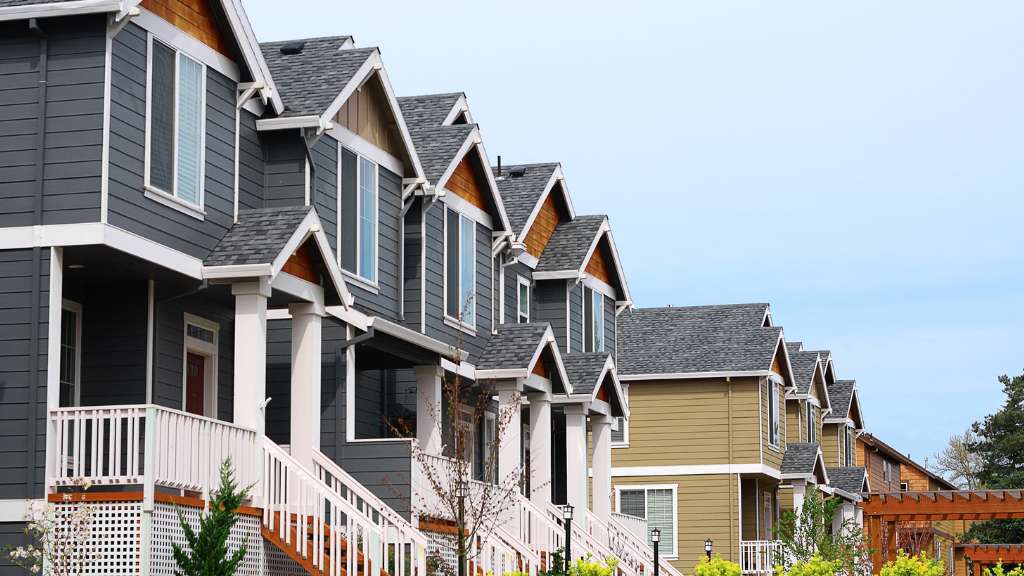
Saskatoon Real Estate Market in 2026: Prices, Trends & What Buyers Should Know Saskatoon real estate market conditions in 2026 are shaping how buyers, sellers, and investors make decisions across the city. As a result, affordability, interest rates, and housing supply continue to influence behaviour as we move into 2026. For this reason, it is essential to understand how the local Saskatoon housing market is performing before making a move. In this guide, we break down current prices, trends, neighbourhood insights, and expert considerations so you can navigate the market with confidence. To fully understand price movements and buyer activity across the city, reviewing the latest Saskatoon real estate market report can provide valuable insight into housing trends, inventory levels, and overall market performance. Table of Contents Overview of the Saskatoon Real Estate Market in 2026 Saskatoon Home Prices and What They Mean for Buyers in 2026 Real Estate Market Trends Shaping Saskatoon in 2026 How Interest Rates Are Affecting the Saskatoon Real Estate Market in 2026 Buying Now vs Waiting in the Saskatoon Real Estate Market (2026) Best Areas to Watch in the Saskatoon Real Estate Market Selling in the Saskatoon Real Estate Market in 2026 Selling With a Realtor vs Selling Privately Is the Saskatoon Real Estate Market Good for First-Time Buyers in 2026? What Real Estate Investors Should Know in 2026 How Average House Prices Influence Decisions in 2026 Final Thoughts on the Saskatoon Real Estate Market in 2026 Saskatoon Real Estate Market FAQs (2026) Overview of the Saskatoon Real Estate Market in 2026 The Saskatoon real estate market continues to stand out as one of the most balanced housing markets in Canada. While larger cities struggle with affordability and volatility, Saskatoon offers steady demand, manageable pricing, and strong long-term growth potential. Population growth, employment stability, and ongoing interest from first-time buyers and investors continue to support market activity. Saskatoon Home Prices and What They Mean for Buyers in 2026 Home prices in the Saskatoon real estate market vary by neighbourhood, property type, and condition. Entry-level homes remain competitive, while mid-range and higher-priced properties often allow more room for negotiation. What buyers should understand about pricing Detached homes remain the most stable long-term investment Townhomes and duplexes appeal strongly to first-time buyers Condos offer affordability and rental potential Real Estate Market Trends Shaping Saskatoon in 2026 Buyer and seller behaviour continues to evolve in 2026. Buyers are more informed than ever, while sellers must price accurately from day one to generate interest. Key market trends to watch Increased use of mortgage pre-approvals Faster decisions on well-priced homes Continued demand in family-friendly neighbourhoods Reduced tolerance for overpriced listings Working with an experienced REALTOR® in Saskatoon helps buyers and sellers interpret these trends correctly and act with confidence. How Interest Rates Are Affecting the Saskatoon Real Estate Market in 2026 Interest rates continue to influence affordability more than headline prices. Even small rate changes can significantly impact monthly payments and borrowing power. How buyers are adapting Locking in rates earlier Adjusting budgets instead of delaying purchases Carefully comparing fixed and variable mortgage options Mortgage rates play a major role in market activity, and understanding how interest rates affect Saskatoon housing can help explain why property prices and buyer demand change throughout the year. Buying Now vs Waiting in the Saskatoon Real Estate Market (2026) Factor Buying in 2026 Waiting Market Certainty Higher Unpredictable Interest Rate Risk Can be locked Exposure to increases Inventory Options Good selection May tighten Equity Growth Starts immediately Delayed Competition Manageable Unknown Buyers focused on long-term stability often benefit from entering the Saskatoon real estate market sooner rather than trying to perfectly time future conditions. Best Areas to Watch in the Saskatoon Real Estate Market Neighbourhood performance plays a major role in long-term value and day-to-day lifestyle. Access to schools, amenities, and employment centres continues to influence buyer decisions. What buyers prioritise in 2026 Family-friendly communities Commute-friendly locations Areas with strong resale potential Reviewing up-to-date Saskatoon market reports helps buyers compare neighbourhood performance with confidence. Selling in the Saskatoon Real Estate Market in 2026 Selling a home successfully in 2026 requires accurate pricing, proper preparation, and strong online exposure. Homes priced correctly from the outset typically attract more interest and sell faster. Seller strategies that work Data-driven pricing Professional presentation High-quality online listings Skilled local negotiation If you’re planning to buy or sell this year, you can contact Ryan Williams for personalised local advice. Selling With a Realtor vs Selling Privately Aspect With a Realtor Private Sale Pricing Accuracy Market-based Often emotional Buyer Reach MLS + networks Limited exposure Negotiation Professional Buyer-led Legal Risk Lower Higher Time Required Less More Most successful transactions in the Saskatoon real estate market involve experienced local representation. Is the Saskatoon Real Estate Market Good for First-Time Buyers in 2026? Saskatoon remains one of the most accessible cities in Canada for first-time home buyers. Why first-time buyers continue to succeed Lower entry prices than major metros Diverse housing options Stable long-term appreciation Many common questions are answered in our Saskatoon real estate FAQs, which explain the buying process in more detail. For national insights, the Canada Mortgage and Housing Corporation also provides trusted housing data. What Real Estate Investors Should Know in 2026 Investors continue to find opportunity in Saskatoon due to stable rental demand and manageable acquisition costs. Investor considerations Vacancy rates by neighbourhood Long-term rental demand Maintenance and operating expenses Those exploring investment opportunities may also want to review commercial real estate in Saskatoon for broader options. How Average House Prices Influence Decisions in 2026 Tracking the Saskatoon average house price is another important way to measure how the local market is evolving and whether property values are rising or stabilising. Final Thoughts on the Saskatoon Real Estate Market in 2026 The Saskatoon real estate market in 2026 offers balance, opportunity, and long-term value. Buyers benefit from affordability, sellers succeed with strategy, and investors enjoy steady returns. With accurate information and local expertise, navigating the Saskatoon real
Average House Price in Saskatoon (December 2025): What Buyers & Sellers Need to Know
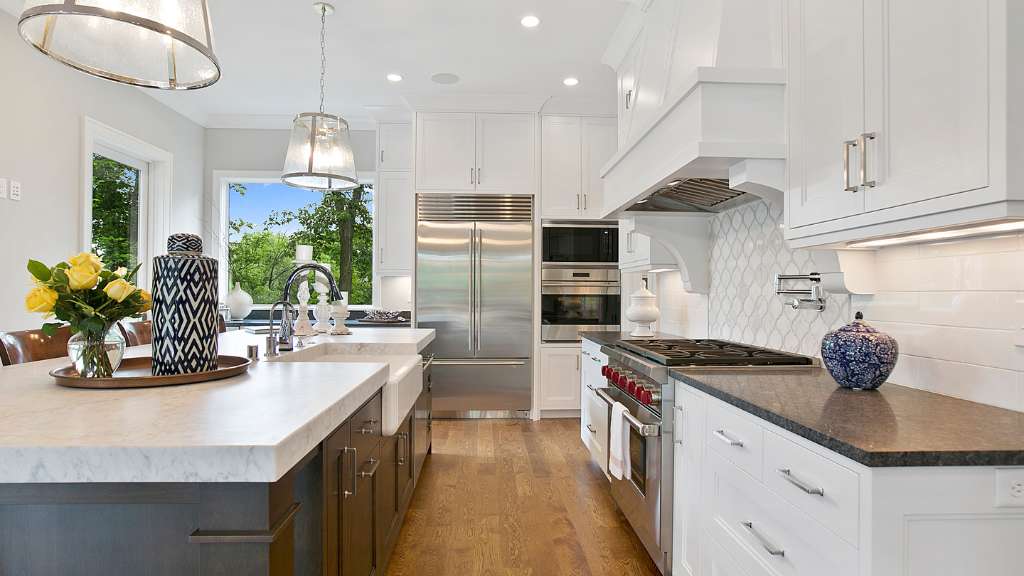
Average House Price in Saskatoon (December 2025): What Buyers & Sellers Need to Know The Average House Price in Saskatoon continues to show steady movement as we move through December 2025. Whether you’re planning to buy, sell, or invest, having a clear understanding of current prices and trends helps you make confident real estate decisions. This month’s update gives both Saskatoon residents and newcomers a straightforward, data-driven look at how the market is performing across the city. To understand how property values are changing across the city, many buyers and sellers review the latest Saskatoon housing market data, which provides valuable insights into pricing trends, sales activity, and inventory levels. Table of Contents Saskatoon’s Average House Price (December 2025) Neighbourhood-by-Neighbourhood Breakdown Why Prices Are Stabilizing in Late 2025 How Mortgage Rates Affect Buyers Right Now Is Now a Good Time to Buy in Saskatoon? Is It a Good Time to Sell? How I Help Buyers & Sellers in Saskatoon? FAQs About Average House Price in Saskatoon Ready to Buy or Sell in Saskatoon? Saskatoon’s Average House Price (December 2025) According to the latest data from the Saskatchewan REALTORS® Association, the average house price in Saskatoon for December 2025 is: $428,900 (+2.1% compared to December 2024) By property type: Detached homes: $460,000 Townhouses: $360,000 Condos: $275,000 Furthermore, Saskatoon continues to rank as one of Canada’s most affordable major cities, especially compared to markets like Calgary, Ottawa, or Vancouver. Neighbourhood-by-Neighbourhood Breakdown Neighbourhood Average Price Trend Stonebridge $520,000 ⬆️ Demand rising Evergreen $480,000 ⬆️ New builds strong Rosewood $550,000 ⬆️ Premium market Nutana $635,000 ⬆️ High-value heritage Kensington $395,000 ➡️ Stable for first-time buyers Silverspring $445,000 ➡️ Balanced Looking ahead, many analysts and homebuyers follow the Saskatoon real estate market forecast to better understand where housing prices and demand may be heading in the coming months. Why Prices Are Stabilizing in Late 2025 Three factors are shaping Saskatoon’s steady market: 1. Updated interest rate forecasts After several rate increases in 2023–2024, stability has returned, boosting buyer confidence. 2. Consistent population growth Affordability, lifestyle, and job opportunities continue attracting new residents. 3. Increased new construction More inventory has helped ease pressure on prices and reduce volatility. For ongoing updates, follow the Saskatoon real estate news section. How Mortgage Rates Affect Buyers Right Now Even a small rate change can shift affordability. In 2025, many buyers are exploring: 3-year fixed terms Competitive variable rates First-Time Home Buyer programs Bridge financing options Mortgage rates can significantly influence affordability, which is why understanding the interest rate impact on house prices is important when evaluating current housing market conditions. Is Now a Good Time to Buy in Saskatoon? Yes, and here’s why: Prices are stable, not spiking. Inventory levels support fair buying conditions. Rate increases have slowed significantly. Saskatoon remains one of Canada’s most affordable major cities. Is It a Good Time to Sell? Selling now can be a smart move if: Your home is in a popular or high-demand neighbourhood You’re planning to upsize or downsize You want to take advantage of stable pricing before spring demand rises I provide free market evaluations and detailed CMA reports. How I Help Buyers & Sellers in Saskatoon Whether you’re buying your first home, investing in your next property, or preparing to sell, I’m here to guide you every step of the way. I provide: Accurate, data-driven home valuations Smart pricing strategies tailored to today’s market Private showings and fully guided property tours Strong, confident offer negotiation on your behalf Support through inspections and due diligence Access to trusted mortgage partners I work with regularly A smooth, supported closing process from start to finish To learn more about my background and approach, visit the About Me page. FAQs About Average House Price in Saskatoon Are house prices in Saskatoon going up or down? Prices have stabilized, with modest year-over-year growth of around 2%. What’s the most affordable area to buy a home in Saskatoon? Neighbourhoods like Kensington and Confederation Park offer excellent options for first-time buyers. What’s the best first step to buying a home? Get pre-approved, understand your budget, and connect with a trusted REALTOR® like me to guide your search with confidence. Can you help with new construction or condo purchases? Absolutely. I work closely with builders and developers to ensure you have protection, transparency, and the right contract terms. Prices have stabilized, with modest year-over-year growth of around 2%. Neighbourhoods like Kensington and Confederation Park offer excellent options for first-time buyers. Get pre-approved, understand your budget, and connect with a trusted REALTOR® like me to guide your search with confidence. Absolutely. I work closely with builders and developers to ensure you have protection, transparency, and the right contract terms. Visit the full Saskatoon Real Estate FAQs Ready to Buy or Sell in Saskatoon? I’m here to help with data-backed guidance and proven Saskatoon market expertise. (306) 222-3238Contact Me Author Bio This article is written by Gurdeep Lall, Founder & CEO of Mango Madness Digital Agency. With years of experience helping Saskatoon businesses grow online, Gurdeep specializes in SEO, web design, and local lead generation. Learn more about Mango Madness Digital Agency. { “@context”: “https://schema.org”, “@type”: “FAQPage”, “mainEntity”: [ { “@type”: “Question”, “name”: “Are house prices in Saskatoon going up or down?”, “acceptedAnswer”: { “@type”: “Answer”, “text”: “Prices have stabilised, with modest growth of around 2% year-over-year.” } }, { “@type”: “Question”, “name”: “What’s the most affordable area to buy a home in Saskatoon?”, “acceptedAnswer”: { “@type”: “Answer”, “text”: “Neighbourhoods like Kensington and Confederation Park offer strong affordability for first-time buyers.” } }, { “@type”: “Question”, “name”: “Will interest rates drop in 2026?”, “acceptedAnswer”: { “@type”: “Answer”, “text”: “While no forecasts are guaranteed, most major lenders expect gradual easing through mid-2026.” } }, { “@type”: “Question”, “name”: “What’s the best way to start the buying process?”, “acceptedAnswer”: { “@type”: “Answer”, “text”: “Get pre-approved, define your budget, and contact a trusted Realtor like Ryan Williams to guide your search.” } } ] }